Vegetation!
Remember seeing how the vegetation changed as we trekked up the plateau?
- The thin soil and sandstone prevents a full-fledged rainforest from developing. There were fewer layers, thinner trunks and more sunlight reaching the undergrowth.

How about vegetation at the top of the plateau?
The environment was very rocky with almost no soil. It was also very dry.
- So the vegetation and animals made adaptations to the environment.
Leaves were thick and waxy to reduce water loss.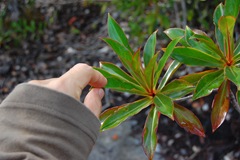
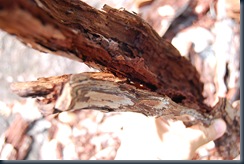
- Trunks and barks were dry and layered to trap water.
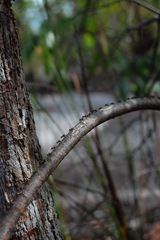
- Remember the symbiotic relationship between the ants and tree?


Take-away message: Plants and animals adapt to the natural environment to survive. How does this apply to the different climates and vegetation that you study?
Mangroves!

How do mangroves adapt to the muddy coastal environment and waves?
- They have prop roots for stability.
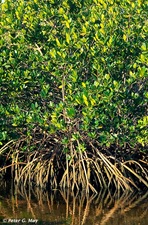
- Breathing roots help them breathe from the waterlogged mud.
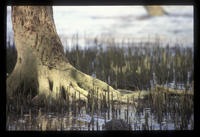
- Their seeds drop and are transported by the sea to other places.


How do people use mangroves?
- Mangroves provide food and materials
- The woody trunks are used for firewood
- The Nipah plant is used for cigarette paper, vinegar, salt and sugar.
- The mangrove swamp is a place where small fish and prawns grow. These fish grow up and are caught by fishermen.
- They reduce coastal erosion by slowing down waves.
They have been useful in reducing the impact of tsunamis. In India, it was found that villages located behind mangroves had less houses destroyed than those without mangrove protection.
Take-away message: Mangroves adapt to the environment. The are useful to people, especially villagers, and should be conserved.


No comments:
Post a Comment